





Thank You for Reading INSIGHT
Read More
Newsletter ends as APPEL KS moves website to new location and redoubles focus on internal audience.
Newsletter ends as APPEL KS moves website to new location and redoubles focus on internal audience.
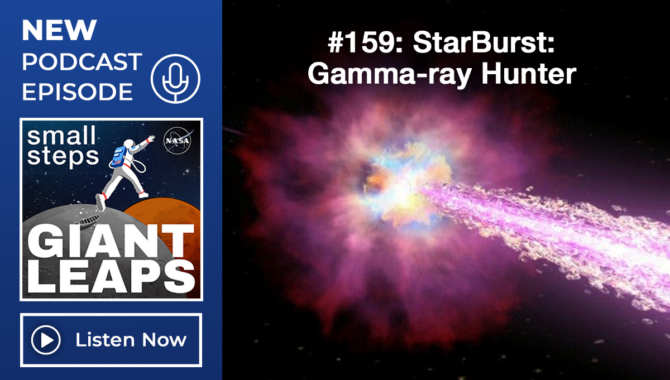
StarBurst, a satellite the size of a washing machine, aims to detect the initial blast of gamma-rays, the most powerful bursts of energy in the universe. These huge explosions can occur when dense neutron stars collide, forging metals like gold and platinum. These metals are some of the building blocks of planets — like Earth.
The Hubble Space Telescope has changed humanity’s understanding of the universe. Now in orbit for 35 years, it remains a remarkable feat of engineering.

Fighting wildland fires by air at night is especially hazardous. NASA’s ACERO Project aims to make firefighting safer – day or night – with drones and smarter airspace management.
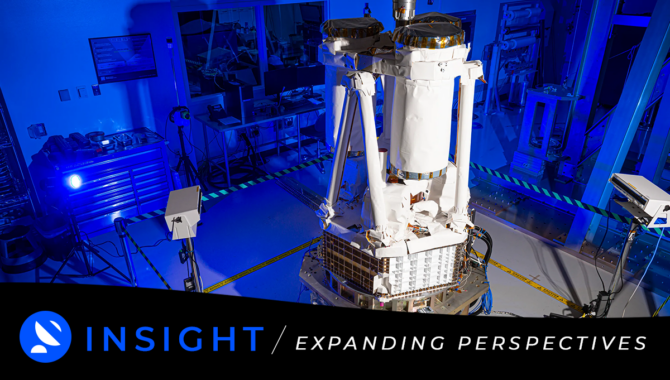
Don’t miss the latest issue of INSIGHT, APPEL Knowledge Services’ online publication featuring our new podcast episodes, columns, articles, lessons learned and more. We invite you to read it today on our website.
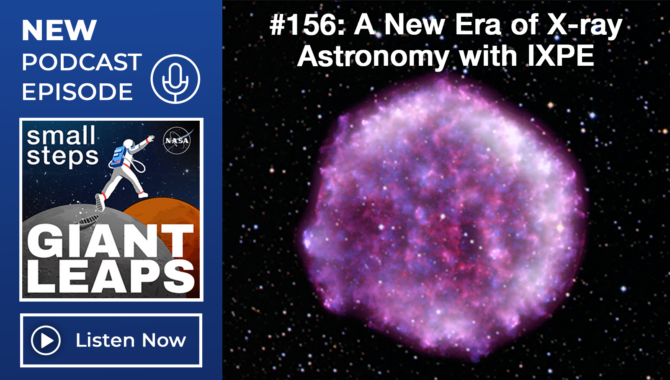
IXPE, or the Infrared X-ray Polarimetry Explorer, is NASA’s first space telescope dedicated to studying X-ray polarization from extreme objects like black holes and quasars.
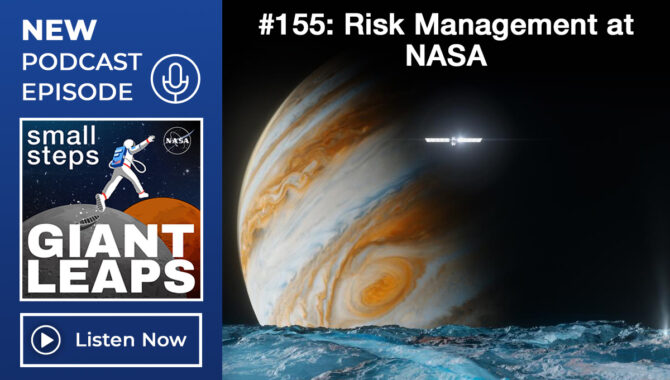
Big or small, we all take risks nearly every day. But how does NASA manage it? Dr. Mary Skow, NASA’s first agency risk management officer, explains.
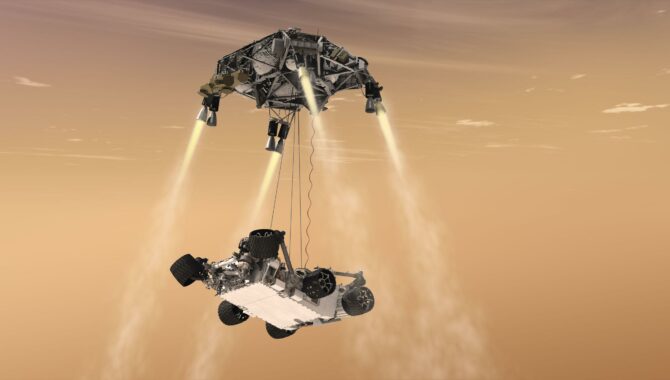
Continuous, integrated risk management process enables NASA to develop missions with complex, state-of-the-art engineering systems designed to achieve ambitious science objectives.
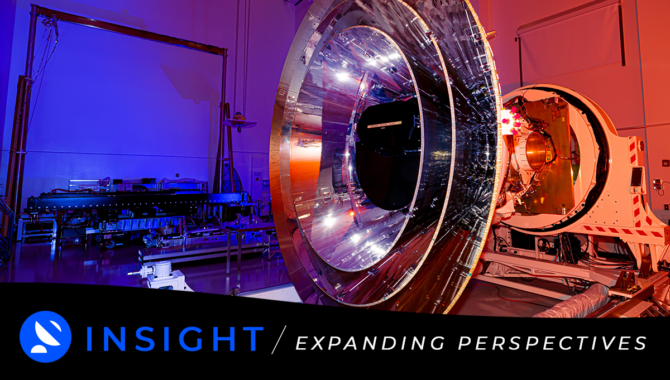
Don’t miss the latest issue of INSIGHT, APPEL Knowledge Services’ online publication featuring our new podcast episodes, columns, articles, lessons learned and more. We invite you to read it today on our website.