





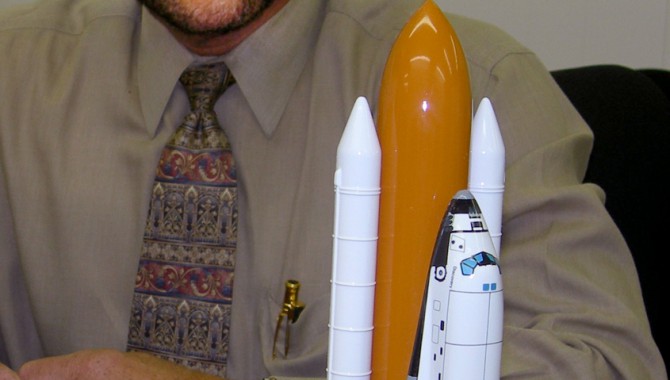
Farewell, Brindley McGowan
Read More
April 30, 2012 Vol. 5, Issue 4 After eleven years managing technical education and training at the Jet Propulsion Laboratory, Brindley McGowan bids NASA adieu.
April 30, 2012 Vol. 5, Issue 4 After eleven years managing technical education and training at the Jet Propulsion Laboratory, Brindley McGowan bids NASA adieu.
April 30, 2012 Vol. 5, Issue 4 The early Soviet probes to the moon, Mars, and Venus were a product of dogged persistence, according to Dr. Wesley Huntress.
April 30, 2012 Vol. 5, Issue 4 Social psychology research has helped shape the United Kingdom’s plan to improve estimates of government project parameters.
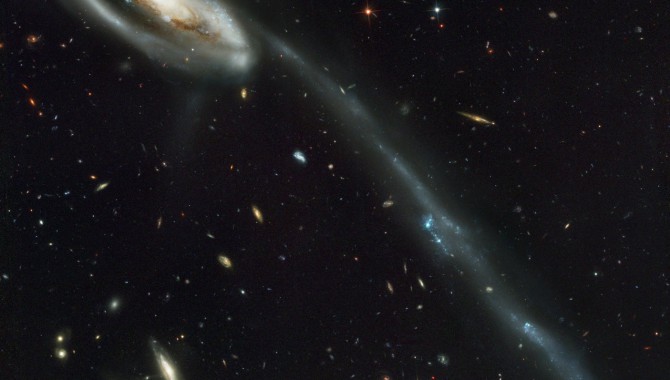
April 30, 2012 Vol. 5, Issue 4 Ten years ago this month, the Hubble Space Telescope saw its first “Tadpole” in space.
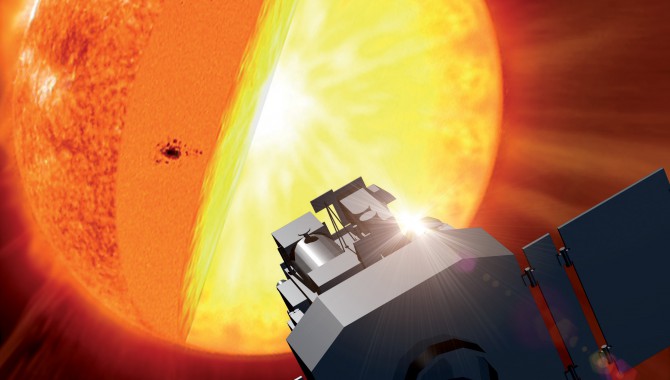
By the NASA Safety Center The Solar Heliospheric Observatory (SOHO) is a major element of the joint International Solar Terrestrial Program between NASA and the European Space Agency (ESA).
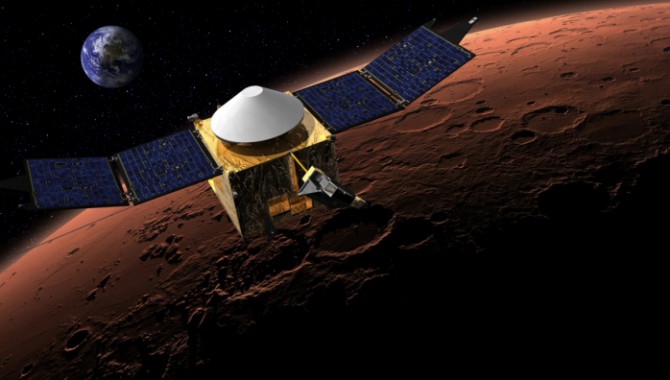
By Don Cohen Lisa May is the program executive for MAVEN, the Mars Atmosphere and Volatile Evolution mission, in NASA’s Science Mission Directorate (SMD). In her spare time, she acts as the female voice of NASA’s ScienceCasts. Don Cohen spoke with her at NASA Headquarters.

By Conrado Morlan Having the opportunity to work for a company that operates in more than two hundred countries and territories and is a global leader in logistics has given me the opportunity to lead large global and regional information-technology projects. While technology made the work complex, the element of culture, both national and […]
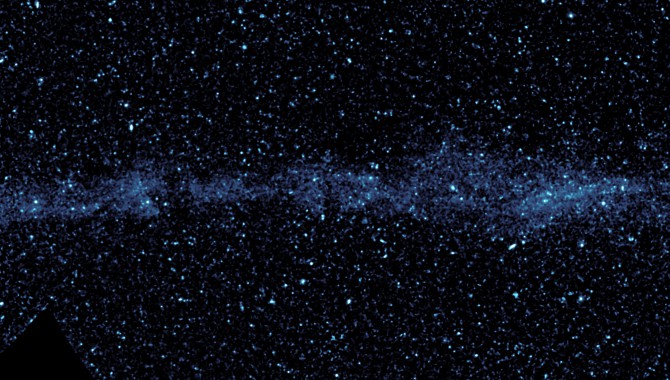
By James Fanson They say that good things come in small packages, and this has certainly been true for NASA’s Explorer Program. Explorers are among the lowest-cost missions flown by NASA, but they can pack a big scientific punch.
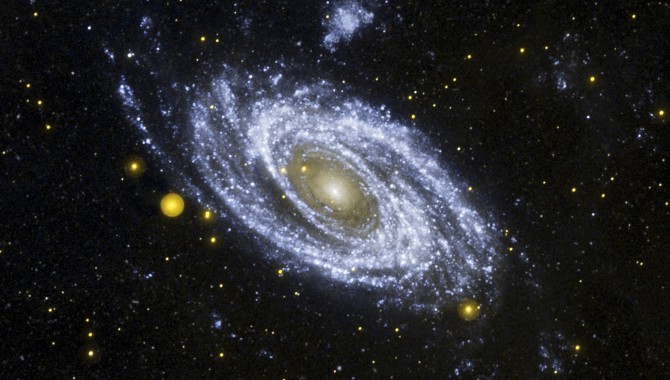
Astronomers used the Galaxy Evolution Explorer (GALEX) telescope to take this deep image in ultraviolet light of the sprawling spiral galaxy M81, hoping to learn where it kept its hot stars. Hot stars emit more ultraviolet than cool stars, and are frequently associated with young, open clusters of stars and energetic star-forming regions. Less than […]