




Video Case Study Project HOPE The Story Begins
Read More
January 26, 2012: Volume 5, Issue 1 A young team of engineers had one year and a lot to learn before getting their rocket off the ground.
January 26, 2012: Volume 5, Issue 1 A young team of engineers had one year and a lot to learn before getting their rocket off the ground.
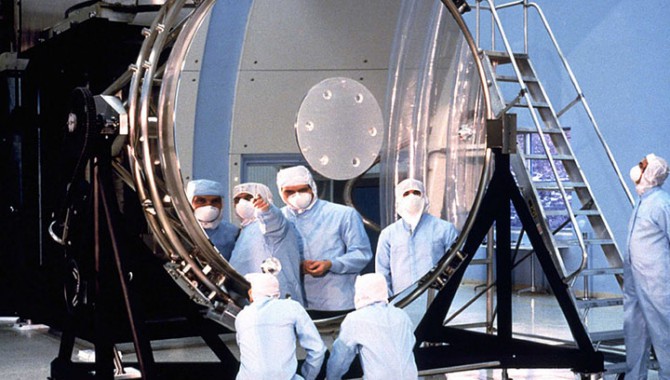
January 26, 2012: Volume 5, Issue 1 The root causes of failure are often cultural, not technical, according to Dr. Stephen B. Johnson.
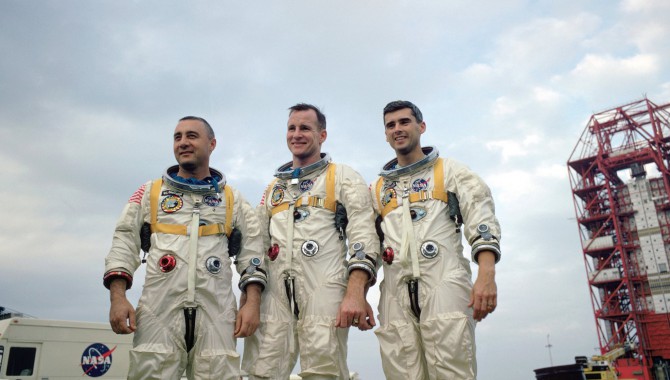
January 26, 2012 Vol. 5, Issue 1 Forty-five years ago this month, a cry let out from the Apollo 1 capsule, “There’s a fire in here.”
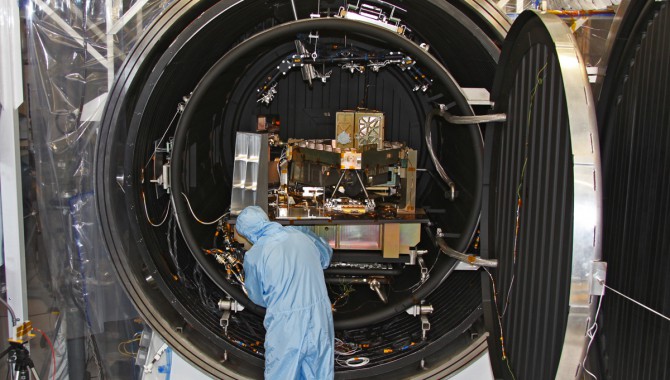
By Karl Saad Along with a half dozen NASA centers, the European Space Agency (ESA), and a variety of academic and industry partners, the Canadian Space Agency has been working on its contribution to the James Webb Space Telescope.

By Maureen Madden I love to learn about all the cool things we work on here at NASA, but I don’t have time to read all the press releases or go to all the workshops and conferences.
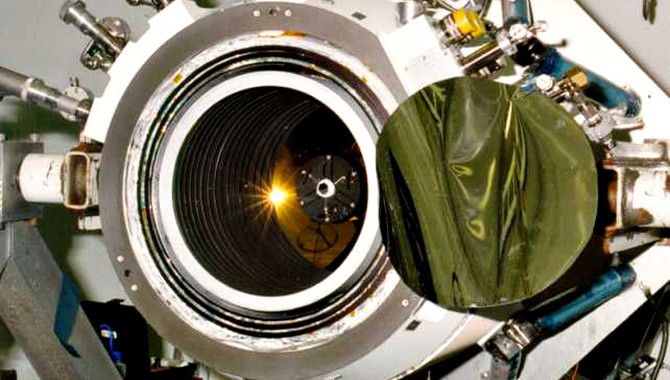
In 1999, the Wide-field Infrared Explorer (WIRE) lost its primary mission thirty-six hours after launch. Those who worked on WIRE, which was the fifth of the Explorer Program’s Small Explorer-class missions, thought they had done what they needed to achieve success.
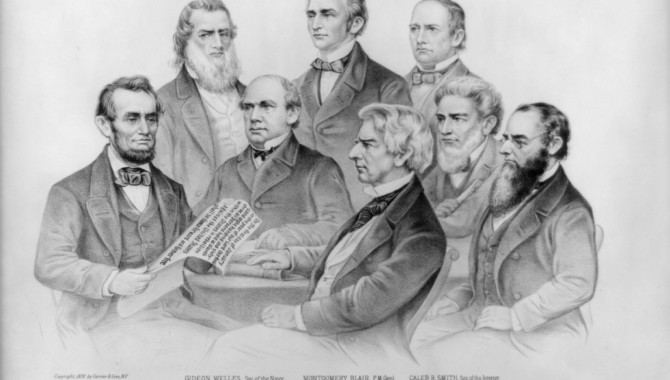
By Roger Forsgren Like most people, project managers and engineers may have an interest in history without realizing that understanding the past can help them better understand and manage the present. Studying the past can be an opportunity to see how leaders overcame daunting obstacles to achieve their goals.
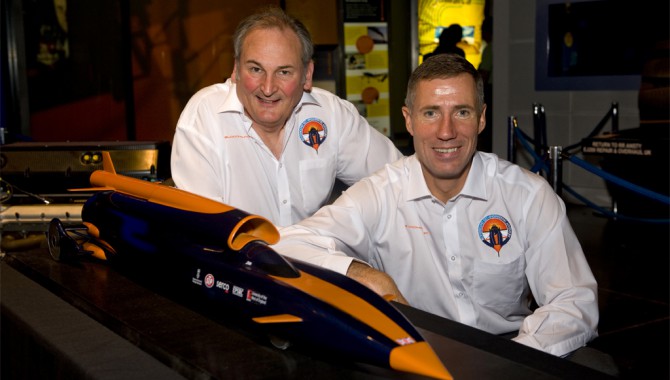
By Haley Stephenson The Bloodhound Supersonic Car aims to set a new land-speed record and a new standard for openness in projects.

By Holly R. Gilbert We inhabitants of Earth have an intimate and complex relationship with the sun. As we learn more about the underlying physics driving the magnetic ball of plasma that is essential for our very existence, the complexity of that relationship becomes increasingly apparent.